Showing posts with label Cybersecurity. Show all posts

Sunday, February 23, 2020

Your Uber Will be Arriving Shortly

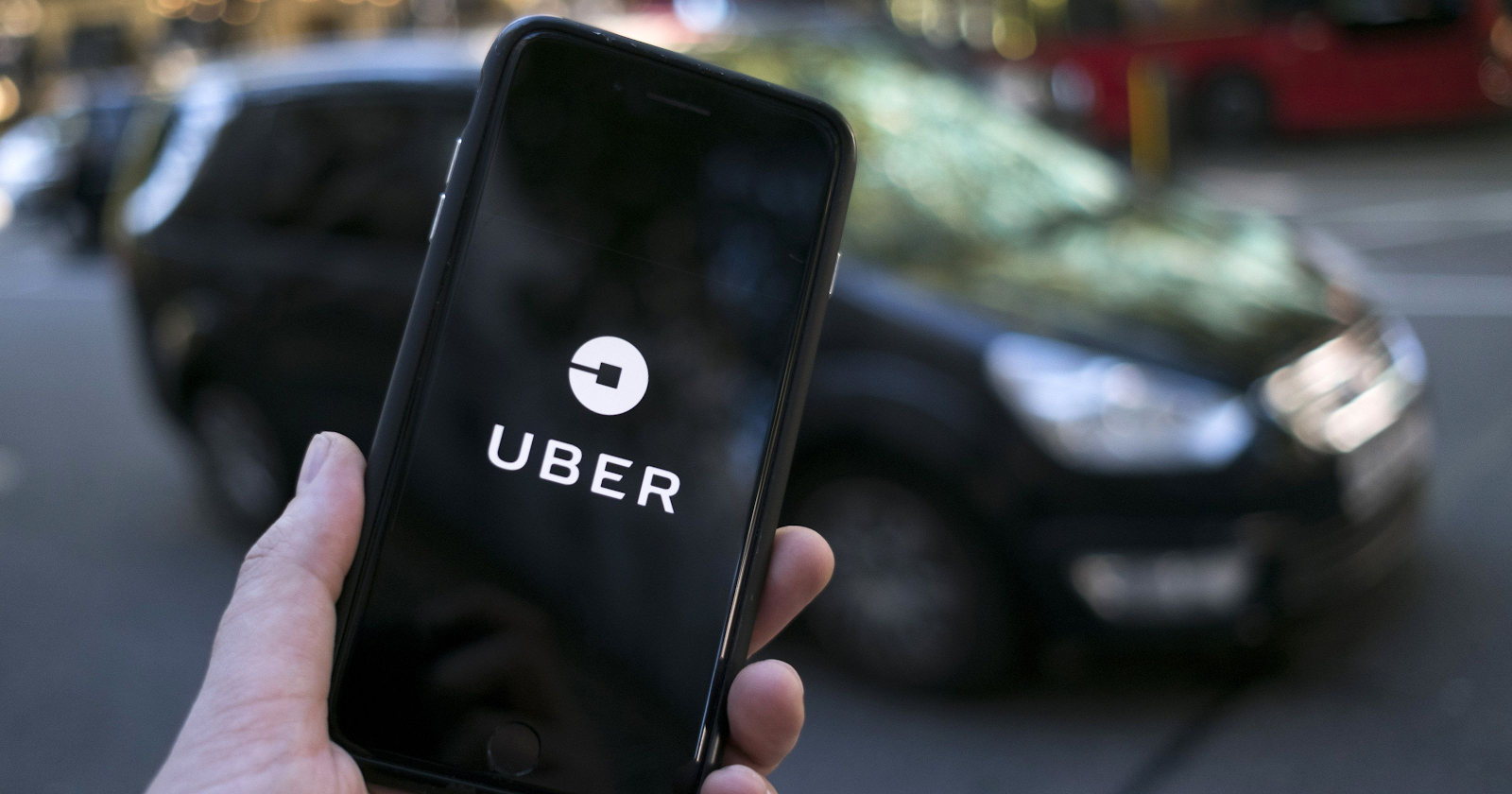
As a college student, I am no stranger to Uber. Whether it be taking one to a class I'm late for because I overslept, or simply because I need to replenish my stockpile of snacks, more often than not I find myself opening the Uber app to "call" a ride.

Are you my Uber?
In “Why we need better ethics for emerging technologies,” James Moor reflects on the concept that living in a period of technology promises dramatic change, in which it is not satisfactory to do ethics as usual. He argued that major technological upheavals require better ethical thinking in terms of being better informed and take meaningful ethical action in terms of being more proactive.

When we call for a ride on the Uber app, or any app that requires personal information like credit card numbers, phone numbers, or in this case drivers license data we rarely think about the implications of where the data is going and how it’s being used by either the app or the company behind it. However, in 2016 more people started to be aware of their data after a hacker was able to access the information of 50 million of Uber’s users as well as 7 million of its drivers. Of the drivers, 600,000 had their driver’s license numbers compromised. 

When Uber first launched in 2011, it was a fairly simple idea that people never even knew they needed. Moor claimed that technological advancements better society, but their novelty makes it difficult to predict ethical issues as situations may arise for which we do not have adequate policies for. The Massive data breach in 2016 was the epitome of what Moor reflects on. As more people, start using any particular technology and the tech increases its social impact it is obvious that the number of ethical concerns increases as well. Moor analyzed this phenomenon as well, terming it Moor's law.

The Uber breach highlights the failure of large corporations to adequately safeguard the private information of their customers. Not only are these breaches of security, but they are breaches of trust for consumers, as companies fail to disclose leaks until months or years later. There is still much education to be done, and discussion to be had, around proper protocols related to data breaches. 


Next time, think twice before you confirm your ride. I know I will.

Thursday, February 20, 2020

Your Uber Will be Arriving Shortly

As a college student, I am no stranger to Uber. Whether it be taking one to a class I'm late for because I overslept, or simply because I need to replenish my stockpile of snacks, more often than not I find myself opening the Uber app to "call" for a ride.


Waiting for the Uber


When we call for a ride on the Uber app, or any app that requires personal information like credit card numbers, phone numbers, or in this case drivers license data we rarely think about the implications of where the data is going and how it’s being used by either the app or the company behind it. However, in 2016 more people started to be aware of their data after a hacker was able to access the information of 50 million of Uber’s users as well as 7 million of its drivers. Of the drivers, 600,000 had their driver’s license numbers compromised. 

When Uber first launched in 2011, it was a fairly simple idea that people never even knew they needed until it was available to them. Many times, technology of this nature is a relatively brand new concept. James Moor claimed that technological advancements bettered society, but their novelty made it difficult to predict ethical issues for as situations may arise for which we do not have the adequate policies for. The Massive data breach in 2016 was the epitome of what Moor reflects on. As more people start using any particular technology and the tech increases its social impact it is obvious that the number of ethical concerns increase as well. Moor analyzed this phenomenon as well, terming it Moor’s Law. 

The Uber breach highlights the failure of large corporations to adequately protect and safeguard the private information of their customers as hackers continue to succeed at infiltrating massive databases of consumer information at an alarming rate.
Not only are these breaches of security, but they are breaches of trust for consumers, as companies fail to disclose leaks until months or years later, with disturbing reports of negligent and unscrupulous behavior on behalf of those entrusted with our data being released on an almost daily basis. There is still much education to be done, and discussion to be had, around proper protocols related to data breaches. 
Next time, think twice before you confirm your ride. I know I will.